
Millimeter Wave Therapy: How It Works, Benefits & Home Wellness Applications
- winni
- August 08, 2026
- 3
- 0
- 0
What Is Millimeter Wave Therapy?
What if wellness technology could work without heat, needles, or medication?
Millimeter wave therapy is a non-invasive wellness technology that uses extremely high-frequency electromagnetic waves, commonly referred to as millimeter waves, to interact with biological tissues.
Unlike traditional heat-based therapies, millimeter wave devices are designed to operate at relatively low power levels without relying on significant tissue heating. This makes the technology particularly interesting for people looking for gentle, non-invasive approaches to daily wellness and complementary care.
Today, millimeter wave therapy devices are being explored in professional wellness environments as well as home-use settings, where compact designs make regular sessions easier to incorporate into everyday routines.
But what exactly are millimeter waves, how does the technology work, and what should you know before choosing a device?
Let's take a closer look.
1. What Are Millimeter Waves?
Millimeter waves are a form of electromagnetic radiation with wavelengths typically ranging from 1 to 10 millimeters, corresponding to frequencies between approximately 30 GHz and 300 GHz.
They belong to the extremely high-frequency portion of the electromagnetic spectrum and sit between microwave and infrared regions.
Depending on the device design, millimeter wave therapy equipment may operate within a specific frequency range and use controlled output levels for localized applications.
The goal is not simply to generate heat. Instead, the technology is designed to deliver controlled electromagnetic signals to a selected area of the body.
This distinction is important because millimeter wave therapy is generally discussed as a non-thermal or low-thermal approach, rather than as a conventional heat therapy.
2. How Does Millimeter Wave Therapy Work?
The human body contains water, electrolytes, proteins, cell membranes, and other biological structures that interact with electromagnetic fields.
Millimeter wave research has investigated how controlled electromagnetic signals may interact with biological systems through several proposed mechanisms.
These mechanisms are still an active area of scientific research, but three concepts are frequently discussed:
2.1 Non-Thermal or Low-Thermal Interaction
Therapeutic systems can be designed to operate without intentionally producing substantial tissue heating.
This differentiates millimeter wave treatment from heating pads, infrared devices, and other thermal therapies.
Users may experience little or no noticeable warmth during a session.
For people who prefer gentle wellness technologies, this makes it an attractive complementary option.
2.2 Localized Application
Millimeter wave devices typically use a dedicated applicator or irradiation head positioned near a selected area.
This allows focus on a particular region rather than whole-body exposure.
Useful for wellness routines that target specific areas of interest.
However, biological effects vary depending on frequency, power density, exposure time, distance, and individual factors. Claims about effects on distant organs should be interpreted cautiously.
2.3 Repeated-Session Approach
Many wellness technologies are designed for consistent use, not one-time sessions.
Millimeter wave therapy is often incorporated into a regular wellness routine.
Duration and frequency should always follow the manufacturer's instructions.
Consistent use does not guarantee a medical outcome. Individual responses vary significantly.
3. Potential Wellness Applications
Interest in millimeter wave technology has expanded across several areas of complementary wellness and research.
Depending on the device and its intended use, applications may include:
Supporting General Wellness
Used as part of a broader routine combining nutrition, exercise, sleep, relaxation, and other lifestyle practices.Complementary Comfort Care
For people interested in non-invasive approaches to managing everyday discomfort.
Should not replace professional diagnosis or treatment.Professional Wellness Settings
Clinics, rehabilitation centers, and wellness facilities may use systems with more adjustable parameters and specialized applicators.Home Wellness Applications
Compact home-use devices make regular sessions more convenient, provided the device is used strictly according to instructions.
4. Millimeter Wave Therapy vs. Traditional Heat Therapy
| Aspect | Millimeter Wave Therapy | Traditional Heat Therapy |
|---|---|---|
| Main energy type | Electromagnetic waves | Thermal energy |
| Primary approach | Controlled electromagnetic exposure | Tissue warming |
| Heat sensation | Usually minimal | Usually noticeable |
| Application | Often localized | Localized or broader |
| Medication required | No | No |
| Home-use models | Available | Widely available |
| Research status | Ongoing | Well established |
The two approaches are not competitors. Different technologies may serve different purposes depending on user needs.
5. Key Benefits of Millimeter Wave Therapy Devices
When evaluating a millimeter wave therapy device, users often look for these characteristics:
Non-Invasive – No needles, injections, or skin penetration.
Drug-Free – No medication involved; suitable for non-pharmacological wellness.
Gentle Operation – Controlled power levels without significant tissue heating.
Localized Treatment – Energy directed to a selected area via dedicated applicator.
Convenient Home Use – Portable designs for regular use (if approved for home use).
Easy Operation – Typically includes a control unit, applicator, cables, straps, and power supply.
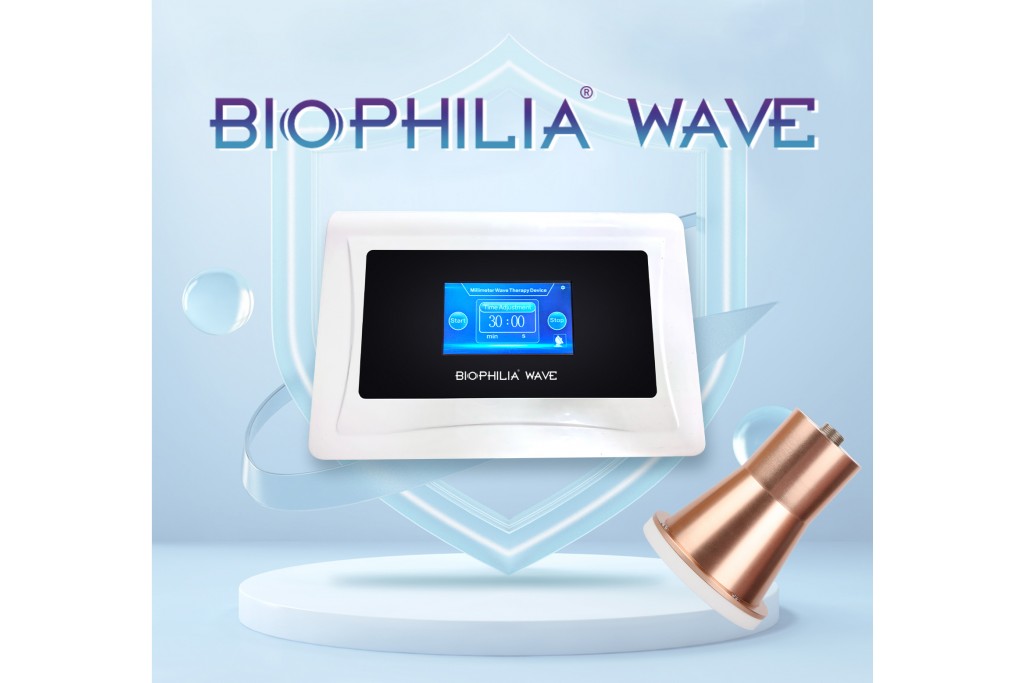
6. What Does a Device Look Like?
A typical millimeter wave device may consist of:
A main control unit
A detachable millimeter wave applicator
Connection cables
Adjustable fixing straps or positioning accessories
Power adapter or universal power cord
User instructions
Some professional systems offer adjustable parameters, while simpler home models use preset programs.
Before purchasing, always check: frequency range, output specifications, intended application, safety info, certifications, and user instructions.
7. How to Choose a Millimeter Wave Therapy Device
Not all devices are designed for the same purpose. Consider these factors:
Frequency Range – Match the manufacturer's stated application.
Output Power – Look for clear technical specs from reliable manufacturers.
Safety Design – Check for documented safety features, certifications, and electrical protection. Avoid relying on "100% safe" marketing claims.
Applicator Design – Should be easy to position and suitable for your intended use.
Ease of Use – Intuitive controls and clear instructions matter for home users.
Manufacturer Support – Documentation, warranty, and customer support are essential.
8. Can Millimeter Wave Therapy Be Used at Home?
Yes — some devices are specifically designed for home use.
Home-use models are generally smaller and simpler than professional systems, allowing localized sessions with preset or adjustable parameters.
However, "home use" does not mean every device is suitable for everyone.
Always remember to:
Read the user manual before operation
Follow the manufacturer's recommended parameters
Use the correct applicator
Avoid modifying the device
Follow electrical safety instructions
Consult a healthcare professional for serious or unexplained conditions
9. Is Millimeter Wave Therapy Safe?
Safety depends on the specific technology, frequency, output power, exposure duration, device design, and user.
Millimeter wave exposure is an established field of research, but safety and effectiveness cannot be determined simply from the term "millimeter wave."
When selecting a device, pay attention to:
Frequency + Power Density + Exposure Time + Distance + Device Certification + Intended Use
These factors matter far more than marketing labels.
Pregnant individuals, those with implanted electronic medical devices, serious medical conditions, or undergoing treatment should seek professional advice before use.
10. What Does the Research Say?
Millimeter wave bioeffects and therapeutic applications have been investigated for decades.
Research has explored:
Cellular responses
Nervous-system interactions
Inflammation-related pathways
Tissue responses
Other biological effects
However, laboratory findings should not be automatically interpreted as proof that a commercial device can treat or cure a specific disease.