
Transcranial Magnetic Stimulation Therapeutic Apparatus: Reshaping Brain Function, Aiding Brain Rehabilitation
- winni
- November 11, 2025
- 282
- 0
- 0
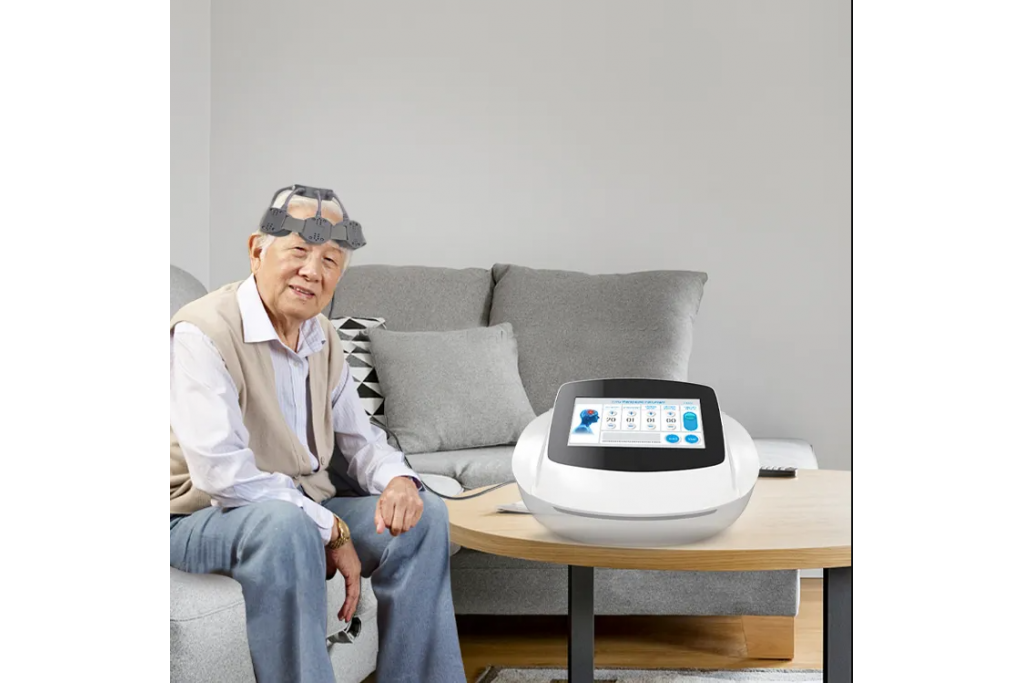
In today's rapidly advancing field of medical technology, the Transcranial Magnetic Stimulation Therapeutic Apparatus is gaining widespread application in areas such as neurological rehabilitation, mental health disorders, and brain injury treatment as a non-invasive brain function recovery device. This article provides a detailed overview of this "Brain Rehabilitation Instrument," covering its principles, functions, usage, and precautions.
Technical Principle: Magnetic Fields Penetrate the Skull to Activate Brain Cells
The Transcranial Magnetic Stimulation Therapeutic Apparatus is based on Faraday's Law of Electromagnetic Induction. It uses magnetic fields of specific frequency and intensity to non-invasively penetrate the skull barrier and act on intracranial tissues. Its core technical principles include:
Recovery of Dying Brain Cells: Alternating magnetic fields change cell membrane potential, promoting brain cell metabolism and self-repair.
Establishing Collateral Circulation: The magnetic field generates positive charges in the brain, attracting negatively charged red blood cells, improving microcirculation, and enhancing vascular elasticity.
Remodeling Brain Function: Interferes with and inhibits abnormal brain electrical activity, rebuilding normal brain network function.
Scope of Application
This device is suitable for a variety of brain-related and other disorders, including but not limited to:
Cerebrovascular Diseases: Cerebral infarction, insufficient cerebral blood supply, stroke, etc.
Mental Diseases: Insomnia, depression, anxiety, mental disorders, etc.
Brain Injury Diseases: Concussion, cerebral palsy, recovery from cerebral hemorrhage, etc.
Dyskinesia: Parkinson's disease, tremors, etc.
Product Structure and Parameters
Model: LB-KFY-100
Structure: Host + Power cord + Magnetic therapeutic cap (7 magnets for adults, 6 for children)
Magnetic Field Intensity: Weak gear: 6–10 mT, Strong gear: 11–50 mT
Operating Voltage: AC 220V ± 22V, 50Hz ± 1Hz
Contraindications and Precautions
Contraindications
Pregnant and lactating women
Individuals with pacemakers or other implanted metal devices
Patients with high fever, bleeding tendency, or acute cerebral hemorrhage
Patients with malignant tumors
Individuals intolerant to magnetic fields
Usage Precautions
Must be operated by trained personnel under the guidance of a professional doctor.
Stop use immediately if dizziness, palpitations, or other adverse reactions occur during initial use.
Correctly wear and remove the magnetic therapeutic cap before and after treatment, paying attention to the correct power sequence.
Suspend use if there is skin damage in the treatment area.
Brief Instructions for Use
Preparation: Connect the magnetic therapeutic cap to the host, plug in the power supply, and turn on the device.
Wearing the Cap: The patient should be in a sitting or semi-lying position. First, wear a disposable protective cap, then wear the magnetic therapeutic cap.
Setting Parameters: Select the prescription, treatment time (5–95 minutes), magnetic field intensity, vibration mode, and vibration intensity.
Starting Treatment: Observe the patient's response and adjust the intensity appropriately.
Ending Treatment: Turn off the device after treatment ends, remove the magnetic therapeutic cap, and allow the patient to rest.
Maintenance and Cleaning
Keep the device dry, dust-proof, and protected from corrosive substances daily.
Clean the surface with a neutral cleaning agent; disinfect patient-contact parts with 75% alcohol.
If not used for an extended period, disconnect the power and store it in a well-ventilated area.
Reference Rehabilitation Plans for Common Diseases
The device comes with recommended treatment parameters for various conditions, for example:
| Disease Name | Magnetic Intensity | Treatment Time (mins) | Vibration Intensity | Vibration Mode |
|---|---|---|---|---|
| Children's Cerebral Palsy | Weak | 30 | 0–1 | 1–3 |
| Depression | Weak | 20–30 | 0–1 | 1–3 |
| Parkinson's Disease | Strong | 30 | 1–2 | 3–5 |
| Insomnia | Weak | 20–30 | 0–1 | 1–3 |
| Cerebral Infarction Rehabilitation | Strong | 20–30 | 1–2 | 3–5 |
Friendly Reminder: This content is for reference only. Specific use must strictly follow the product instruction manual and be conducted under the guidance of a doctor.