
How Does Quantum Resonance Analysis Work? Understanding Biophilia EWS Technology
- winni
- November 11, 2026
- 1
- 0
- 0
What Is Quantum Resonance Analysis?
Quantum resonance analysis is a technology concept associated with the analysis of frequency-related signals and reference spectrum data.
In wellness equipment, this concept is used to describe systems that collect signals through sensors and process the acquired information using dedicated software.
Unlike conventional equipment that simply displays basic measurements, a quantum resonance analyzer combines hardware components, signal acquisition, data processing, and software-based analysis to generate structured results.
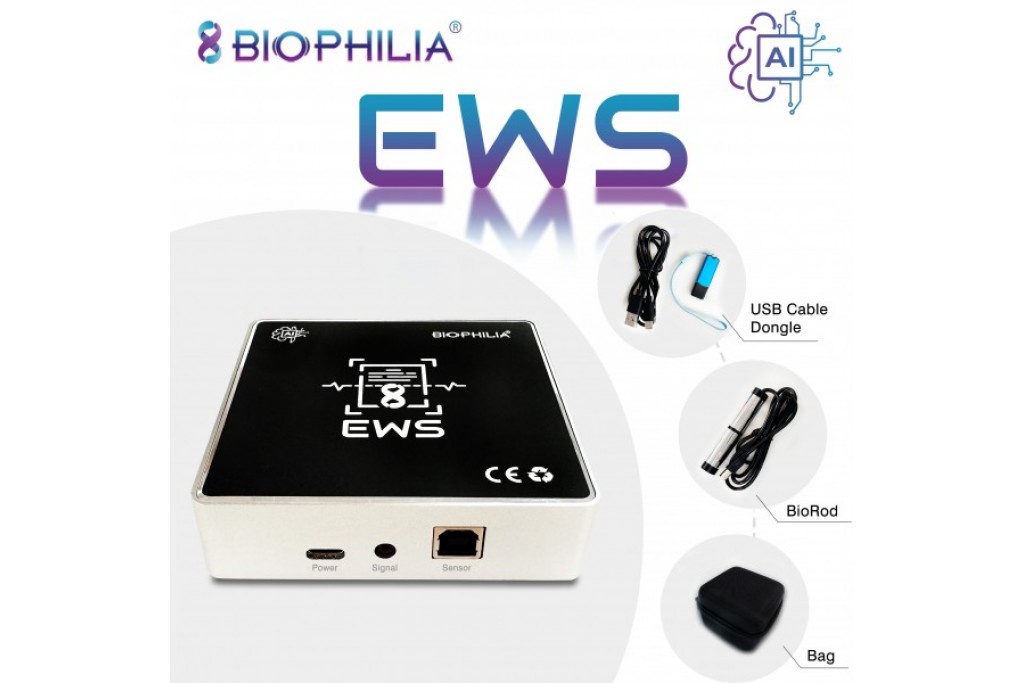
Biophilia EWS is a quantum resonance wellness assessment system designed around this concept. It combines handheld sensor technology, computer software, a Standard Quantum Resonance Spectrum, and Fourier Analysis methods to process collected signal information and generate multiple categories of wellness-related reference reports.
To understand how Biophilia EWS works, it is useful to explore the main stages of its analysis process.
How Does Quantum Resonance Analysis Work?
A quantum resonance analysis system can be understood through several connected stages, from signal acquisition to software processing and report generation.
1. Signal Acquisition Through Handheld Sensors
The first stage involves signal acquisition.
Biophilia EWS uses a handheld sensor as the primary interface between the user and the equipment. During the testing process, the sensor is used to collect relevant bio-magnetic and frequency-related signals.
The sensor is connected to the main equipment system, allowing the collected signals to be transferred for subsequent processing.
Signal acquisition is an important part of the overall workflow because the quality and consistency of the input process affect the information available to the software.
2. Signal Amplification and Processing
After signal acquisition, the collected information enters the equipment's processing workflow.
According to the Biophilia EWS product principle, the relevant signals undergo amplification and computer-based processing before further analysis.
This stage prepares the acquired information for software interpretation and comparison with the system's internal reference data.
The combination of hardware and software allows the system to organize the collected information into a format that can be presented through the analysis interface.
3. Standard Quantum Resonance Spectrum
One of the technical concepts associated with Biophilia EWS is the Standard Quantum Resonance Spectrum.
A reference spectrum provides a comparison framework within the system's analysis process.
In the Biophilia EWS product principle, collected signal information is processed in relation to its internal Standard Quantum Resonance Spectrum.
This reference-based approach forms part of the system's software analysis workflow.
When evaluating a quantum resonance analyzer, it is useful to understand not only the sensor configuration but also how the software uses reference data to organize and present its results.
4. Fourier Analysis and Software Processing
Fourier Analysis is a mathematical method used to represent complex signals through their frequency components.
It is widely applied in signal processing, communications, engineering, and scientific data analysis.
Within the Biophilia EWS product principle, Fourier Analysis is incorporated into the software processing workflow.
In general, frequency-domain analysis can help software examine the frequency components of acquired signals and organize information for further processing.
This provides another technical layer in the system's analysis concept, connecting signal acquisition with software-generated results.
5. Report Generation and Result Display
The final stage is the presentation of analysis results.
After the software completes its processing workflow, Biophilia EWS generates structured wellness-related reference reports.
The system can provide up to 16 categories of reports, depending on its configuration.
Users can view the relevant results through the computer software, making the information easier to organize and present during wellness-related service activities.
The complete process can be summarized as:
Handheld Sensor → Signal Acquisition → Signal Amplification and Processing → Reference Spectrum and Fourier Analysis → Software Analysis → Report Generation
This integrated workflow is the foundation of the Biophilia EWS product concept.
Understanding the Main Components of Biophilia EWS
A quantum resonance analyzer is more than a single sensor. Its overall operation depends on the coordination of hardware and software components.
Biophilia EWS combines several key elements.
Handheld Sensor
The handheld sensor is used for signal acquisition during the testing process.
It provides the physical interface through which relevant signals are collected and transferred to the system.
Main Equipment and Signal Processing Components
The equipment system handles the connection and processing workflow between the sensor and computer software.
Signal amplification and processing prepare the acquired information for subsequent software analysis.
Windows-Based Software
Biophilia EWS operates with dedicated Windows computer software.
The software provides the main operating interface, allowing users to conduct the testing process, view analysis results, and access available report categories.
Internal Reference Data
The Standard Quantum Resonance Spectrum is part of the system's reference-based analysis concept.
Together with the software's processing methods, it contributes to how collected information is organized and presented.
What Is the Role of Fourier Analysis in Quantum Resonance Equipment?
Fourier Analysis is an important mathematical concept in modern signal processing.
Many signals contain multiple frequency components. Fourier methods provide a way to represent and examine these components rather than viewing a signal only as a single continuous waveform.
For example, in engineering applications, frequency analysis is commonly used to study signal characteristics, identify frequency components, and support signal processing tasks.
In the Biophilia EWS product principle, Fourier Analysis is incorporated into the software workflow alongside the Standard Quantum Resonance Spectrum.
It is important to distinguish between the mathematical method itself and the specific interpretation of wellness-related results. Fourier Analysis is a signal-processing method; its use alone does not establish the clinical accuracy or diagnostic validity of an assessment system.
What Can You See in Biophilia EWS Reports?
One of the practical features of Biophilia EWS is its multiple report categories.
Depending on the system configuration, it can provide up to 16 categories of wellness-related reference reports.
These reports are organized within the computer software, allowing users to navigate different sections and review the corresponding information.
For wellness centers, beauty salons, and holistic wellness practitioners, an organized report interface can support client communication and service presentations.
When exploring Biophilia EWS, users can pay attention to:
Available report categories
Software navigation and interface layout
Report presentation formats
How results can be viewed and saved
Language options available in the software
Rather than focusing only on the number of reports, businesses should also consider whether the software presentation fits their daily service workflow.
Why Is the Software Important in a Quantum Resonance Analyzer?
The software is a central part of a modern computer-based assessment system.
Hardware is responsible for signal acquisition and related processing, while software provides the interface for operating the equipment and displaying the results.
For commercial users, software usability can influence the overall experience.
Biophilia EWS provides several features designed to support daily operation:
Windows Compatibility: Designed for use with Windows-based computers.
Multilingual Interface: Supports Chinese, English, Russian, Malay, Spanish, Korean, French, German, Romanian, Portuguese, Thai, Indonesian, and Vietnamese.
Multiple Report Categories: Provides access to up to 16 categories of wellness-related reports, depending on configuration.
Visual Report Presentation: Organizes analysis results within a computer-based interface.
Convenient Operation: Features an approximately one-minute testing process.
These features make the system suitable for businesses looking to introduce computer-based wellness assessment equipment into their service environments.
Who Can Use Quantum Resonance Wellness Assessment Equipment?
Quantum resonance wellness assessment equipment may be considered by businesses and practitioners exploring additional wellness-related service tools.
Wellness Centers
Wellness centers can explore integrating Biophilia EWS into their daily client service processes as an auxiliary wellness assessment tool.
Beauty Salons
Beauty salons looking to expand their service portfolios can consider the equipment as an additional element in their wellness-related service experience.
Holistic Wellness Practitioners
Practitioners involved in lifestyle and holistic wellness management can explore the system as an auxiliary tool for client communication.
Health Product Companies
Health product businesses can incorporate equipment demonstrations and software presentations into their customer engagement activities.
International Distributors and Importers
For overseas distributors and importers, Biophilia EWS offers an opportunity to explore quantum resonance equipment as part of a broader wellness equipment product portfolio.
OEM/ODM cooperation is also available for businesses interested in brand customization and product development.
Why Choose Biophilia EWS?
Biophilia EWS brings together handheld sensor technology, computer-based software, reference spectrum concepts, and Fourier Analysis within one integrated wellness assessment system.
Its main product features include:
Quantum resonance analysis concept
Handheld sensor signal acquisition
Standard Quantum Resonance Spectrum
Fourier Analysis-based software processing
Up to 16 categories of wellness-related reports
Approximately one-minute testing process
Multilingual Windows software
OEM/ODM cooperation options
Behind the product is SINGULARITY, a manufacturer with its own R&D team and production system, established product inspection procedures, and experience in international business cooperation.
The company also supports OEM/ODM services, export packaging arrangements, and international logistics for overseas customers.
Whether you are an individual wellness practitioner, a wellness center operator, or an international distributor, Biophilia EWS offers a product worth exploring for wellness-related business applications.
Frequently Asked Questions (FAQ)
1. How Does Quantum Resonance Analysis Work?
Quantum resonance analysis systems use sensors to acquire relevant signals and process the collected information through dedicated software. In the Biophilia EWS product principle, this workflow incorporates a Standard Quantum Resonance Spectrum and Fourier Analysis methods to generate wellness-related reference reports.
2. What Is a Quantum Resonance Analyzer?
A quantum resonance analyzer is a type of equipment associated with quantum resonance analysis concepts. It typically combines sensor-based signal acquisition, hardware processing, and computer software to organize and display analysis results.
3. What Is the Standard Quantum Resonance Spectrum?
The Standard Quantum Resonance Spectrum is a reference-spectrum concept used within the Biophilia EWS software analysis workflow to provide a framework for processing and comparing collected signal information.
4. Why Is Fourier Analysis Used in Biophilia EWS?
Fourier Analysis is a mathematical method used to represent signals through their frequency components. It is incorporated into the Biophilia EWS product principle as part of its software processing workflow.
5. Does Biophilia EWS Require a Computer?
Yes. Biophilia EWS operates with dedicated Windows-based computer software. Users connect the relevant equipment to a compatible computer to operate the system and view the available reports.
6. How Long Does a Biophilia EWS Test Take?
The testing process takes approximately one minute. Actual operating time may vary depending on the testing procedure and operating conditions.
7. How Many Reports Can Biophilia EWS Provide?
Depending on the system configuration, Biophilia EWS can provide up to 16 categories of wellness-related reference reports.
8. Does Biophilia EWS Support Multiple Languages?
Yes. The software supports multiple languages, including English, Chinese, French, Spanish, German, Russian, Korean, Portuguese, Thai, and several other languages.
9. Can I Purchase Biophilia EWS for My Business?
Yes. Biophilia EWS can be explored by wellness centers, beauty salons, holistic wellness practitioners, health product companies, importers, and distributors. Please contact the team for product details and quotation information.
10. Does SINGULARITY Offer OEM/ODM Services?
Yes. SINGULARITY supports OEM/ODM cooperation for customers interested in brand customization and product-related development. Specific customization options can be discussed according to business requirements.
Explore Biophilia EWS Quantum Resonance Technology
Interested in learning more about how quantum resonance analysis works?
Discover the Biophilia EWS system, explore its software interface, understand its report categories, and learn more about the available business cooperation options.
Whether you are looking for wellness assessment equipment for your own practice or seeking a reliable manufacturer for international distribution, our team is ready to assist.
Contact SINGULARITY for Biophilia EWS Product Details, Software Demonstrations, and OEM/ODM Cooperation.
Important Note: Biophilia EWS provides wellness-related reference information. It is not intended to diagnose, treat, cure, or prevent any disease, and does not replace professional medical examinations or healthcare services.