
Millimeter Wave Therapy: A Modern Approach to Acupoint-Based Wellness
- winni
- November 11, 2026
- 4
- 0
- 0
1. Why Are Acupoints Important in Traditional Wellness Practices?
In Traditional Chinese Medicine (TCM), meridians are described as pathways through which Qi and blood circulate throughout the body. Acupoints are specific locations along these pathways that have been used in traditional practices such as acupuncture and acupressure.
You may already be familiar with well-known acupoints such as Zusanli (ST36), Neiguan (PC6), and Hegu (LI4). These points have long been part of traditional wellness routines and are commonly referenced by acupuncture practitioners and holistic health professionals.
Here are five commonly discussed acupoints:
Zusanli (ST36): Located on the outer side of the lower leg, below the knee. It is one of the most widely recognized points in traditional wellness practices.
Neiguan (PC6): Located on the inner forearm, above the wrist crease. It is frequently used in traditional acupuncture and acupressure.
Hegu (LI4): Located on the back of the hand, between the thumb and index finger. It is a familiar point in traditional acupoint practices.
Diji (SP8): Located on the inner lower leg along the Spleen Meridian.
Shenshu (BL23): Located on the lower back, on either side of the second lumbar vertebra.
From traditional acupuncture to modern wellness equipment, different approaches continue to explore ways of working with these specific body locations.
One technology worth understanding is millimeter wave therapy, which brings electromagnetic technology into the field of wellness equipment.
2. From Traditional Acupoints to Modern Millimeter Wave Technology
Traditional acupoint practices generally involve techniques such as manual pressure, massage, and acupuncture. Modern millimeter wave technology takes a different approach by using electromagnetic waves within a specific frequency range.
Millimeter waves generally refer to electromagnetic waves with frequencies between 30 and 300 GHz and wavelengths of approximately 1–10 mm.
This technology has applications in telecommunications, radar, and other technical fields. It is also incorporated into certain wellness and physical therapy equipment.
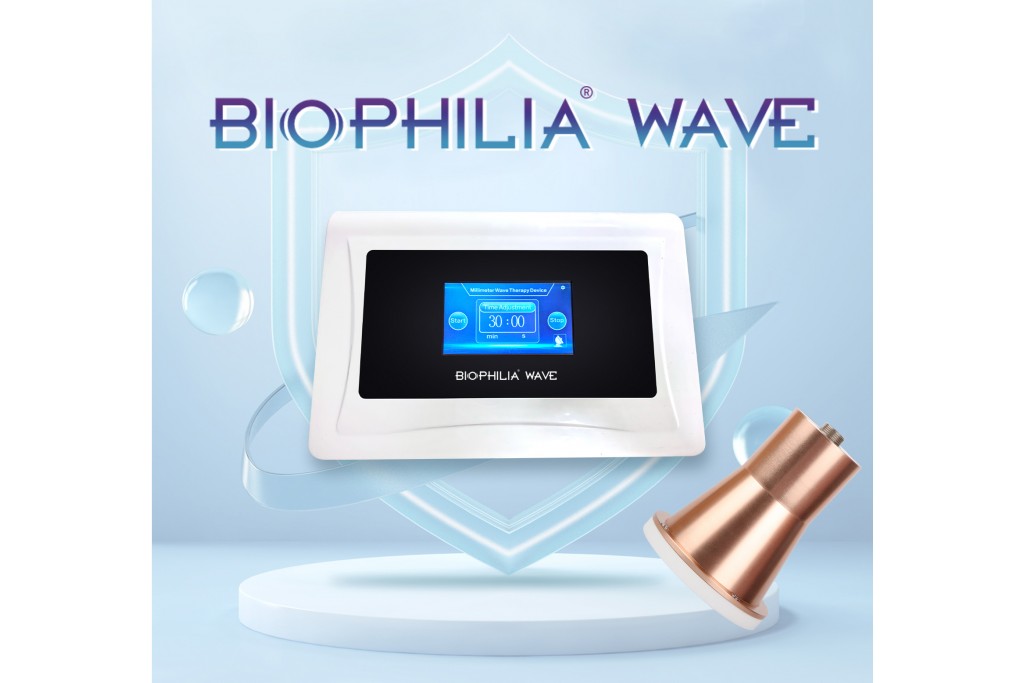
A millimeter wave therapy machine uses a dedicated applicator head to deliver millimeter wave energy to a selected area of the body.
Unlike manual acupressure, this approach does not require direct pressure or needle insertion. It offers practitioners another equipment-based option when exploring wellness routines that incorporate traditional acupoint concepts.
For wellness professionals interested in combining traditional practices with modern technology, millimeter wave therapy provides an interesting area to explore.
3. Key Features of Millimeter Wave Therapy
What makes a millimeter wave therapy device different from conventional wellness equipment?
Its main characteristics relate to its electromagnetic frequency, application method, and equipment design.
3.1 Specific Frequency Output
Millimeter wave therapy equipment operates within a designated millimeter wave frequency range.
The applicator head delivers electromagnetic energy to a selected area, allowing practitioners to focus on specific body locations during a session.
Different devices may have different operating frequencies and output specifications, so it is important to review the technical parameters when choosing equipment.
3.2 Non-Invasive Application
A millimeter wave therapy machine uses an applicator head rather than needles or surgical procedures.
This provides a non-invasive application method for practitioners who want to explore equipment-based wellness approaches.
3.3 Targeted Application to Different Body Areas
The applicator can be positioned over selected areas according to the equipment's operating instructions.
Common areas of interest in traditional acupoint-based wellness routines include the lower legs, hands, forearms, and lower back.
This flexibility allows practitioners to incorporate different application locations into their equipment-based wellness routines.
Important: Millimeter wave therapy is a physical technology application. Its use should not be considered equivalent to acupuncture, medication, or medical treatment. Specific effects and applications should be evaluated based on appropriate evidence and the equipment's intended use.
4. Common Acupoints and Their Application in Millimeter Wave Wellness Routines
For practitioners familiar with Traditional Chinese Medicine, acupoint locations provide a useful reference when learning about different wellness approaches.
A millimeter wave therapy device can be positioned over selected body areas, following the equipment's operating instructions.
Below are five commonly referenced acupoints.
4.1 Zusanli (ST36)
<caption>Location: Outer side of the lower leg, below the knee.</caption>
Zusanli is one of the best-known acupoints in Traditional Chinese Medicine. It is frequently discussed in traditional wellness routines and is a familiar location for acupuncture and acupressure practitioners.
When using a millimeter wave therapy device, Zusanli can serve as a reference location for lower-leg application.

4.2 Hegu (LI4)
<caption>Location: Back of the hand, between the thumb and index finger.</caption>
Hegu is another widely recognized acupoint. It is commonly included in traditional acupuncture and acupressure practices.
For equipment-based wellness routines, practitioners can use this location as a reference when positioning the applicator, provided the area is suitable for the device's intended use.
4.3 Neiguan (PC6)
<caption>Location: Inner forearm, approximately three finger-widths above the wrist crease.</caption>
Neiguan is a familiar point along the Pericardium Meridian. It is frequently referenced in traditional acupoint practices.
It can also serve as a reference location when applying a millimeter wave device to the forearm area.
4.4 Diji (SP8)
<caption>Location: Inner side of the lower leg, behind the medial border of the tibia.</caption>
Diji belongs to the Spleen Meridian in Traditional Chinese Medicine. It is one of the acupoints practitioners may encounter when studying traditional meridian locations.
4.5 Shenshu (BL23)
<caption>Location: Lower back, approximately two finger-widths from the midline, level with the second lumbar vertebra.</caption>
Shenshu is a commonly referenced point in traditional TCM practices. Its location makes it a reference point in discussions of lower-back acupoint applications.
For practitioners: These descriptions introduce traditional acupoint locations and their possible role in wellness routines. They do not establish that millimeter wave exposure at these points can diagnose, prevent, or treat specific medical conditions. Always follow the device's operating instructions and applicable professional guidelines.
5. Millimeter Wave Therapy Machine: Technical Specifications and Design
Understanding the technology is only one part of selecting wellness equipment. Practitioners and clinic owners should also consider the machine's operating parameters, components, and practical design.
A millimeter wave therapy machine generally consists of a main unit, applicator head, positioning straps, and power cord.
The applicator head delivers millimeter wave energy to the selected area, while the straps help secure the applicator during use.
Technical Specifications
Specification | Details |
|---|---|
Operating Frequency | 30–45 GHz |
Wavelength | 7.5–10 mm |
Output Power Density | 7 mW/cm² |
Rated Input Power | ≤40 VA |
Power Supply | AC 220V / 50Hz or AC 110V / 60Hz |
Main Components | Main unit, applicator head, positioning straps, power cord |
For practitioners evaluating new wellness equipment, understanding these specifications is an important step in determining whether a device fits their working environment and intended applications.
6. Important Safety Considerations Before Using a Millimeter Wave Therapy Device
Proper operation is essential when working with any electrical wellness equipment.
Before using a millimeter wave therapy machine, practitioners should become familiar with its operating requirements and safety precautions.
Basic operating considerations:
Check the main unit, power cord, and applicator head before operation.
Make sure all components are properly connected to the power supply.
Maintain an applicator-to-skin distance of less than 10 mm, as specified for this equipment.
If using a covering, follow the equipment requirements for a single layer of clothing or a thin, water-free dressing.
Do not extend the application time or change operating parameters without appropriate guidance.
Stop operation if discomfort occurs.
The equipment is not recommended for the following individuals:
People with eye diseases.
Organ transplant recipients.
People with implanted cardiac pacemakers.
Pregnant women.
People with bleeding disorders.
Individuals with underlying medical conditions or special health circumstances should consult an appropriate healthcare professional before use.
Practitioners should also follow the applicable operating instructions and safety requirements in their region.
7. Bringing Traditional Acupoint Concepts and Modern Wellness Technology Together
From traditional acupuncture and acupressure to modern millimeter wave equipment, approaches to wellness continue to evolve.
Acupoints represent an important part of Traditional Chinese Medicine, while millimeter wave technology introduces a different technical approach based on electromagnetic energy.
For acupuncture practitioners, holistic therapists, wellness consultants, and clinic owners, understanding both the traditional concepts and the technical characteristics of modern equipment can help broaden their knowledge of available wellness technologies.
A millimeter wave therapy machine may be worth exploring if you are looking to expand your equipment options and learn more about non-invasive, equipment-based wellness applications.
Interested in learning more about millimeter wave therapy equipment?
Contact us to request product details, technical specifications, and more information about the device. Our team can help you explore whether this equipment is suitable for your wellness practice or business.
Disclaimer: This article is intended for general educational and product information purposes only. Millimeter wave therapy equipment is not a substitute for medical diagnosis or treatment. Its use should follow the equipment's operating instructions and applicable professional guidance.