
Remote Black Box Operation Guide: Remote Sample Testing With Bio‑Resonance Devices
- winni
- November 11, 2026
- 6
- 0
- 0
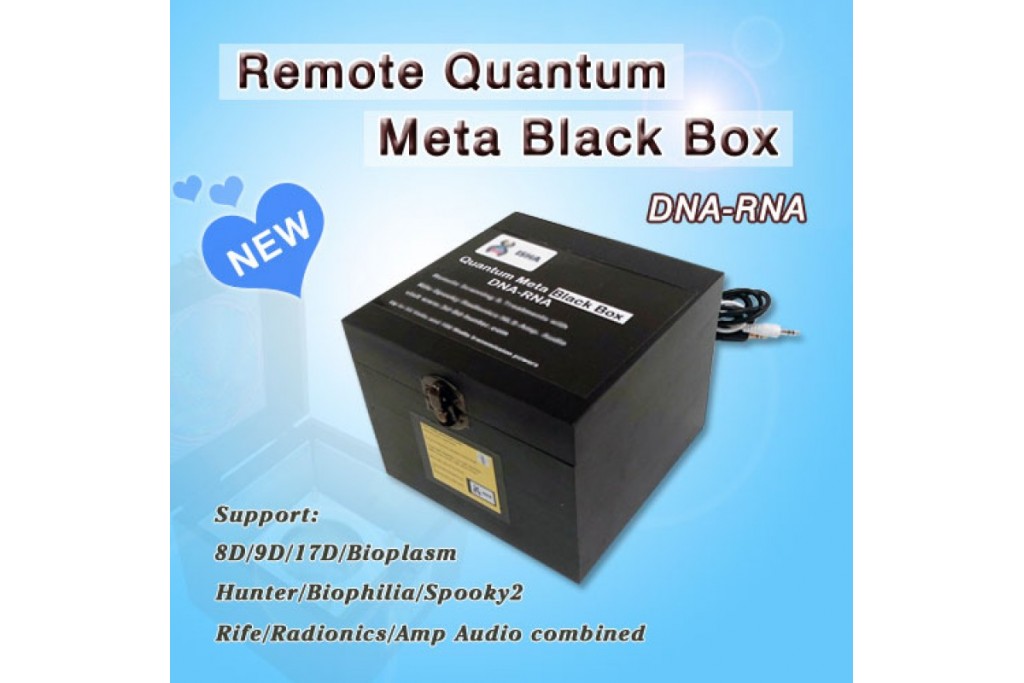
In the field of bio‑resonance and NLS non‑linear analysis, the Remote Black Box serves as a powerful expansion accessory. It cannot operate standalone and must work with a bio‑resonance main unit. Using DNA‑carried biological samples, it breaks geographical barriers to support remote analysis and frequency modulation.
What Is a Bio‑Resonance Device?
Bio‑resonance (NLS non‑linear analysis) devices include 3D‑NLS, 8D‑NLS, 9D‑NLS, 17D‑NLS, Metatron, Biophilia Tracker, as well as frequency instruments such as Rife and Spooky2. These devices capture human bio‑frequency data to interpret the body’s energetic status and deliver corresponding frequency‑based intervention signals.
Standard testing requires subjects to wear headphone sensors in‑person. The Remote Black Box solves the pain point of remote testing. Hair, fingernail clippings and other DNA‑bearing samples act as information media, allowing the main device to run full diagnostic workflows — even if clients are thousands of miles away.
Hardware Overview: Two Cables With Distinct Functions
The black box ships with one black signal cable and one white signal cable. They serve different purposes, so avoid mis‑connection.
- Black Cable: Connects to NLS bio‑resonance analyzers. Compatible models: 3D‑NLS, 8D‑NLS, 9D‑NLS, 17D‑NLS, Metatron, Biophilia Tracker. Plug this cable into the main unit’s headphones port.
- White Cable: Interfaces with Rife, Spooky2, Radionics, audio amplifiers and other frequency‑output hardware for extended frequency functions.
Pro Tip: For Biophilia devices, use the included 4‑pin adapter cable for the headset port. The 3‑pin cable goes to the chamber port. Double‑check all connections are firmly seated; loose connections trigger scanning failures.
Step‑by‑Step Operating Instructions
1. Device Wiring
Connect one end of the black cable to the Remote Black Box, and plug the opposite end into the headphones port of your NLS bio‑resonance device. If you plan to use Rife / Spooky2 accessories, attach the white cable. Only connect one external device to the white cable port at a time; do not daisy‑chain multiple units. Confirm every connector clicks into place without wobble.
2. Load Your DNA Biological Sample
Place subject samples (hair strands, fingernail clippings, etc.) into the supplied glass cup. Set the cup inside the sample chamber of the black box and close the lid completely. A sealed enclosure is required for proper signal acquisition.
3. Launch Diagnosis on Your Main Unit
Boot up your bio‑resonance device software. Follow your standard diagnostic workflow and start the scan. The main unit reads bio‑information transmitted through the physical sample inside the black box, delivering comparable results to in‑person sensor‑based testing.
Full List of Compatible Hardware
NLS Series: 3D‑NLS, 8D‑NLS, 9D‑NLS, 17D‑NLS, Metatron / Meta Hunter, Biophilia Tracker
Frequency Generators: Rife, Spooky2, Radionics, audio amplifier equipment
Important Usage Notes
- The Remote Black Box is an add‑on accessory. It will not perform testing without a paired bio‑resonance main device. The black box alone cannot run diagnostics.
- Ensure samples belong to your target subject. Do not mix biological material from multiple people inside one container.
- Keep cables assigned correctly: black cable for NLS analyzers; white cable for external frequency generators. Incorrect port assignment causes hardware malfunctions.
- Always keep the box lid closed during operation. An open lid disrupts signal collection.
Final Thoughts
Pairing the Remote Black Box with bio‑resonance hardware greatly expands real‑world use cases. Practitioners no longer require on‑site client attendance. By collecting small biological specimens such as hair or nail clippings, you can complete remote assessments and improve overall workflow efficiency.
Disclaimer: This is a bio‑energetic auxiliary device. All output data is for reference only. It shall not replace professional medical diagnosis or treatment. Seek qualified medical care if you experience physical discomfort.